
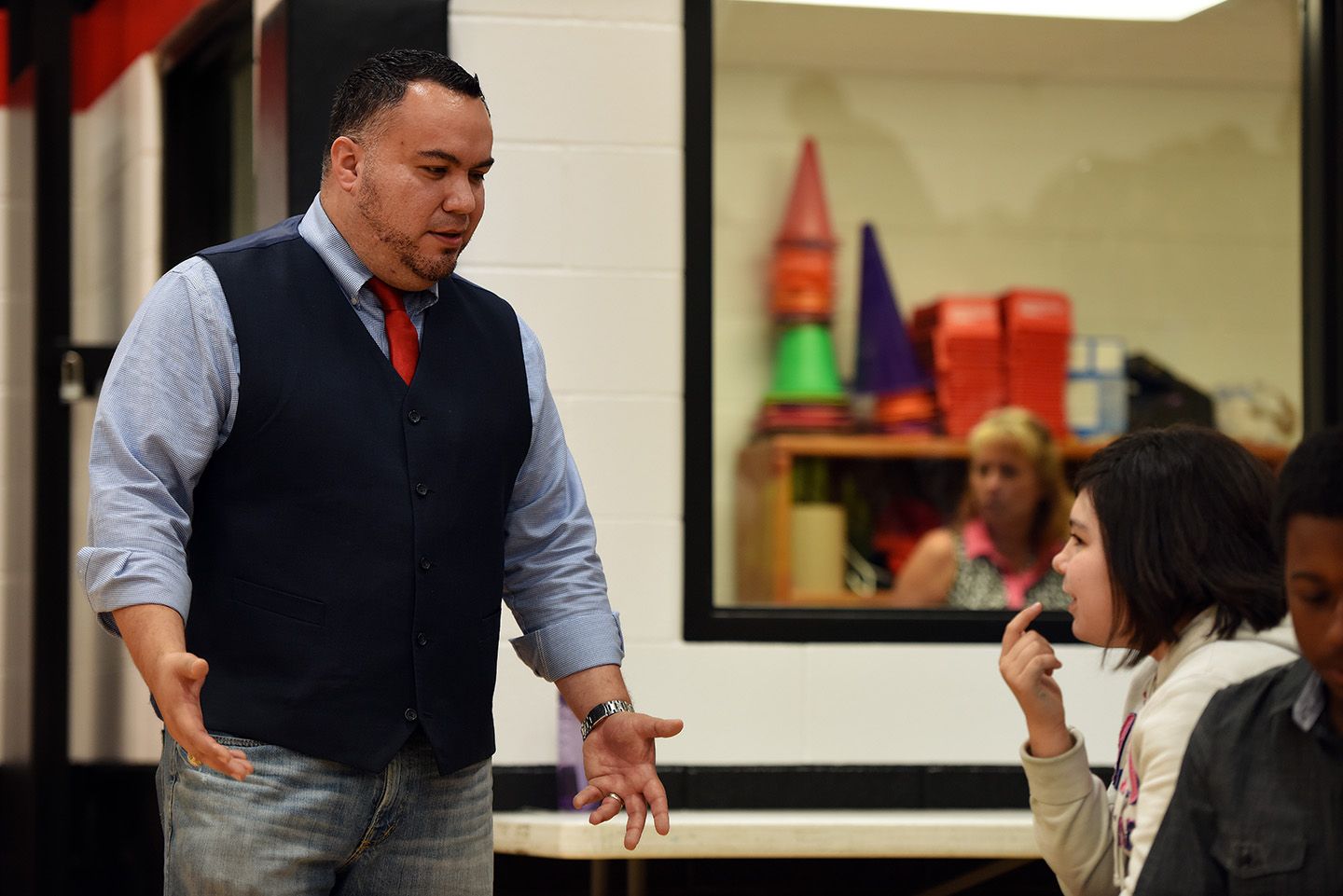
Middle School Bullying Speaker: Why Schools Need Powerful Bullying Prevention Programs
Middle school can be one of the most challenging times in a student’s life. As students navigate friendships, social pressures, and personal identity, bullying can quickly become a serious issue that impacts both academic performance and emotional well-being. This is why many schools are turning to a middle school bullying speaker to help create safer, more positive learning environments.
What Is Middle School Bullying?
Bullying is more than a disagreement or conflict between students. It involves a real or perceived imbalance of power where one student repeatedly targets another through physical, verbal, social, or online behaviors. This power difference may be based on popularity, social status, physical size, age, athletic ability, or other factors.
Today’s bullying often extends beyond the school day through social media, text messages, gaming platforms, and other digital spaces. Cyberbullying can make it difficult for students to escape the emotional impact of being targeted.
Why Is Bullying So Common in Middle School?
Middle school students are experiencing significant social and emotional changes. Peer acceptance becomes increasingly important, and students often test boundaries as they develop their identities. Unfortunately, some students seek social power by putting others down.
Research continues to show that students who experience bullying are at greater risk for anxiety, depression, lower academic achievement, school avoidance, and decreased self-confidence. When bullying goes unaddressed, it can affect the overall school climate and make students feel unsafe.
Why Peer Mediation Isn’t Always the Answer
While peer mediation can be effective for resolving conflicts, bullying is different. Bullying is not simply a disagreement between two students. It involves one student using power to harm another.
Because of this imbalance, adults must take an active role in addressing bullying behavior. School leaders, counselors, teachers, and parents all play a critical role in creating accountability and supporting students who need help.
Creating a School Culture That Prevents Bullying
The most successful schools focus on prevention rather than waiting for problems to escalate. Effective bullying prevention strategies include:
- Clear expectations for student behavior
- Consistent consequences for bullying
- Anonymous reporting systems
- Easy access to counselors and trusted adults
- Student leadership and kindness initiatives
- Digital citizenship education
- Encouraging students to be active bystanders
One of the most powerful protective factors for students is connection. Students who feel supported by friends, teachers, and family members are less likely to become isolated targets.
Why Hire a Middle School Bullying Speaker?
A professional middle school bullying speaker can bring a fresh perspective that resonates with students. Unlike daily staff members, an outside speaker can often capture students’ attention in a unique and memorable way.
An effective bullying prevention speaker doesn’t simply tell students to “be nice.” Instead, they provide practical tools for handling difficult situations, empower bystanders to take action, and encourage students to build a culture of kindness and respect.
The right school assembly can spark important conversations, strengthen school culture, and remind students that everyone has the power to make a difference. When students understand the impact of their words and actions, they are more likely to choose empathy over cruelty and inclusion over isolation.
Bullying prevention is not a one-day event, it is an ongoing commitment. A middle school bullying speaker can help schools launch that commitment and inspire students to become part of the solution.
This was a hard day because I spoke to four different middle school assemblies, but it was so rewarding. Kids needed to know that someone understands what they are going through and to address the problem in front of all their peers.
Hello Fabian, I am 26 years old, I’m working on a research paper for college, and I wanted to let you know that your web site helped me a lot and answered a lot of questions I had. I’m a volunteer in a hospital and one of the volunteers I work with is 15 years old, she has suffered from bullying and now I’m able to help her thanks to you.
Have a great day!!!
Thank you for sharing with us ur experiences and form motivating us to stop this behavior.
Thank you,
Claudia C Garza
If you have friends who are always with you, no one will bully you. Plus, you have to be strong all the time so that people will not bully you.
Aloha!
My name is Ashley and I am a Senior student at H.P Baldwin High School on Maui, Hawaii. I am also the chairsperson for bullying prevention week. I was wondering if it would be possible for you to come to our school and speak to a diverse body of students about bullying prevention. Please let me know if you are able to. This will be a great presentation!
– Ashley Juan
Please send me information about booking a speaker.
Hi,
I am a mother of a 12 yr old girl who has been bullied by the same girls for the last three years. It is to the point that my daughter has gained alot of weight, has no friends at school, and is threatening to kill herself. I have taken every precaution necessary. I have spoken with teachers, principals, superintendent, even police. The school does exactly what you say they blame my daughter. The police say they can not help me unless she is physically harmed. I have tried the buddy system. I have worked with the school. Now my daughter cannot go anywhere without those girlsfinding her and harassing her. I seriously am at my wits end. She is a sweet girl however she has nightmares when she sleeps and will no longer sleep alone. I want to do the right thing here, but what is right… what else can I do to protect her. She is my heart and I do not want to lose her because I cant stop this. Please if you have a chance could you respond to me and let me know what I can do for my baby.
Thank you